
6150 W. Higgins Ave Chicago, IL 60630
What You’ll Actually Feel During Your Root Canal Treatment

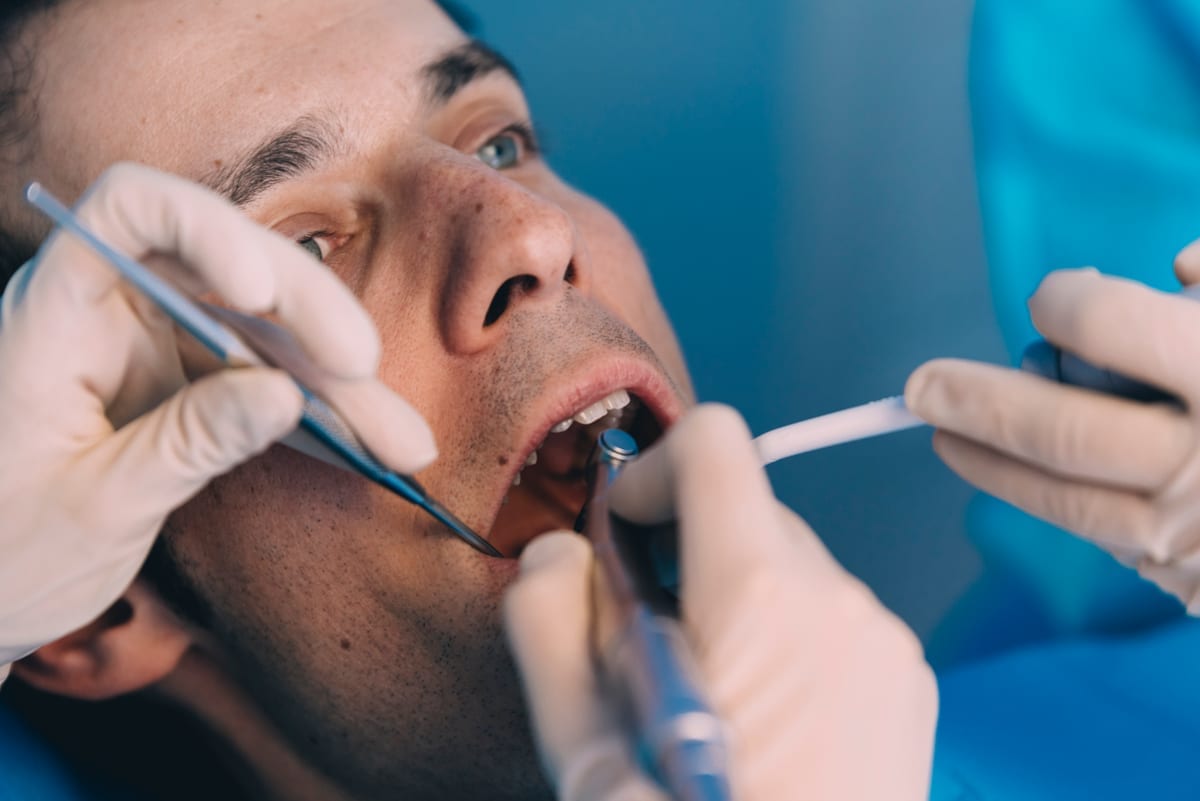
If you’ve been putting off a root canal because you’re scared of pain, you’re not alone. Most Chicago patients come to us with serious anxiety about this procedure. But here’s the truth — understanding what you’ll actually feel during your root canal treatment in Chicago changes everything. Knowledge replaces fear. Let’s walk through every step together so you know exactly what to expect.
Why Root Canals Have an Undeserved Reputation
Root canals have been the subject of dental horror stories for decades. Most of that reputation is completely outdated. Modern techniques and anesthesia have transformed this procedure into something far more manageable than patients expect.
In fact, most patients report that the anticipation is far worse than the actual treatment. Many say it feels similar to getting a routine filling. Understanding the science behind the procedure helps put your mind at ease.
A root canal removes infected pulp tissue from inside your tooth. That tissue contains nerves, which is why an infected tooth hurts so much. Removing the source of infection actually eliminates the pain — it doesn’t create new pain.
- Root canals relieve toothache pain rather than cause it
- Modern anesthesia makes the procedure comfortable for most patients
- The procedure typically takes one to two appointments
- Leaving an infected tooth untreated is far more painful long-term
- Most patients return to normal activities the next day
Step-by-Step: What You’ll Actually Feel During Your Root Canal Treatment in Chicago
At Smile Era Dental, Dr. Josh Philip walks every patient through the procedure before it begins. Here is exactly what you will experience from start to finish.
Step 1 — The Consultation and X-Ray. First, Dr. Philip examines your tooth and takes digital X-rays. You’ll feel nothing during this step. The X-ray shows the extent of infection and guides the entire treatment plan.
Step 2 — Local Anesthesia. This is the moment most patients dread. Dr. Philip applies a topical numbing gel to your gum first. Then he delivers the anesthetic injection slowly. You may feel a brief pinch or mild pressure — most patients describe it as far less intense than they expected.
Step 3 — Waiting for Full Numbness. After the injection, you’ll wait a few minutes for the area to go completely numb. You’ll feel your lip, cheek, and jaw becoming heavy or tingly. This sensation is completely normal and confirms the anesthetic is working.
Step 4 — Accessing the Tooth. Dr. Philip creates a small opening in the top of your tooth. Because you’re fully numb, you won’t feel any pain. You may feel mild vibration or pressure from the dental instruments — but not sharpness or pain.
Step 5 — Removing the Infected Pulp. Tiny instruments called files clean out the infected tissue inside the root canals. You’ll feel pressure and movement, but no pain. Some patients feel slight temperature changes from the irrigation solution used to clean the canals.
Step 6 — Sealing the Tooth. Once clean, the canals are filled with a biocompatible material called gutta-percha. A temporary or permanent filling seals the top. This stage feels like mild pressure — nothing more.
- Topical numbing gel applied to gum
- Anesthetic injection with minimal discomfort
- Tooth fully numb within minutes
- Small access opening created painlessly
- Infected pulp removed with gentle instruments
- Canals cleaned, shaped, and sealed
- Filling or crown placed to protect the tooth
What You’ll Feel After the Procedure
Once the anesthesia wears off, some tenderness is completely normal. This typically lasts two to three days. Over-the-counter pain relievers manage this discomfort effectively for most patients.
The area around the tooth may feel sensitive when you bite down. This is simply your body healing from the procedure. It is not a sign that something went wrong.
Most patients are surprised by how quickly they recover. Many return to work or normal activities the very next day. Dr. Philip and the Smile Era Dental team provide clear aftercare instructions to make your recovery as smooth as possible.
If you experience severe pain, swelling, or a fever after your procedure, contact our Chicago office promptly. These symptoms are rare but worth addressing quickly.
How Smile Era Dental Makes Root Canals Comfortable in Chicago
Dr. Josh Philip takes patient comfort seriously at every stage of treatment. Our Chicago office uses the latest equipment and proven techniques to minimize discomfort throughout the procedure.
We take time to explain each step before we begin. Patients who know what’s coming feel significantly less anxious during treatment. You can also ask us to pause at any point — you are always in control.
Beyond root canals, our team provides comprehensive care including Cosmetic Dentistry Chicago services for patients who want to enhance their smiles after restorative work. We also offer Dental Implants Chicago for patients whose teeth cannot be saved and need a long-term replacement solution.
Our goal is always to save your natural tooth whenever possible. A root canal is one of the most effective ways to do exactly that.
Signs You May Need a Root Canal
Many patients don’t know they need a root canal until the pain becomes severe. Catching the problem earlier makes the procedure simpler and recovery faster.
- Persistent toothache that doesn’t go away
- Sensitivity to hot or cold that lingers after the temperature is removed
- Darkening or discoloration of a tooth
- Swelling or tenderness in the nearby gum tissue
- A small pimple-like bump on the gum near the affected tooth
If you’re experiencing any of these symptoms in Chicago, don’t wait. Delaying treatment allows infection to spread — and makes the eventual procedure more complex.
Schedule an evaluation with Dr. Philip as soon as you notice any of these warning signs. Early intervention protects both your tooth and your overall health.
Conclusion
Root canals are one of the most misunderstood procedures in dentistry. When you understand what you’ll actually feel during your root canal treatment in Chicago, the fear fades quickly. The procedure relieves pain — it doesn’t create it. With modern anesthesia, gentle technique, and a caring team, most patients leave our office pleasantly surprised. You deserve to make informed decisions about your dental health without unnecessary anxiety holding you back. Book Now to schedule your appointment with our team.
Frequently Asked Questions
Does a root canal hurt during the procedure?
Most patients feel little to no pain during a root canal. Local anesthesia numbs the area completely before treatment begins. You may feel pressure or vibration from the instruments, but sharp pain is uncommon. If you feel any discomfort during the procedure, let Dr. Philip know immediately — he can adjust the anesthesia.
How long does a root canal take at Smile Era Dental in Chicago?
Most root canals at our Chicago office take between 60 and 90 minutes for a single appointment. More complex cases involving multiple canals may require a second visit. Dr. Philip will give you a clear timeline during your initial consultation so you can plan accordingly.
How long does recovery take after a root canal?
Most patients experience mild tenderness for two to three days after the procedure. Over-the-counter pain relievers are usually sufficient to manage this discomfort. Full healing of the surrounding tissue typically takes one to two weeks. Most patients return to their normal routine the day after treatment.
What happens if I don’t get a root canal when I need one?
Leaving an infected tooth untreated allows bacteria to spread to surrounding teeth and jaw bone. The infection can become an abscess, which is a painful and potentially serious condition. In some cases, untreated infection can spread beyond the mouth and affect your overall health. Treating the problem early is always the safer and less painful choice.
Will I need a crown after my root canal?
In most cases, yes. A dental crown is placed over the treated tooth to protect it and restore full function. Root canal treatment removes the pulp that kept the tooth hydrated, which can make the tooth more brittle over time. A crown prevents cracking and extends the life of the treated tooth significantly.